
Refinance or Exit? Why Go Through It All Again - And When Is the Right Time to Sell?
I’ve worked in the property and finance markets for twenty-five years. Through every cycle in that time, one dilemma has come up again and again: when do you refinance, and when do you sell?
It’s rarely just a question about the asset. It’s about what is best for you, for your company, and for your family. Getting that call right is an art, and too many people in property have yet to master it.
This month alone, I’ve had the same conversation three or four times with different clients. A typical example: a client has held an asset for years. The debt on it is old and manageable, priced at around 7%, and the facility is coming up for renewal in the next few months. They come to me looking to refinance, but going again means new money at a higher rate, a bigger loan to fund the works the asset now needs, and another five years of personal commitment.
A lot of the time, and in a lot of these situations, the owner is now over 65.
So, my question back to them is a simple one: Have you thought about this? Do you really want to go through another five years of working this asset? Have you got the energy, health, and passion to do it? Why not sell now, while the asset is working and similar asset profiles are trading well in the market?
This isn’t about telling anyone to sell. It’s about making sure the refinance is a decision, well thought out and not a habit. But the question at 65 is different from the question at 45.
The Math Of Going Again
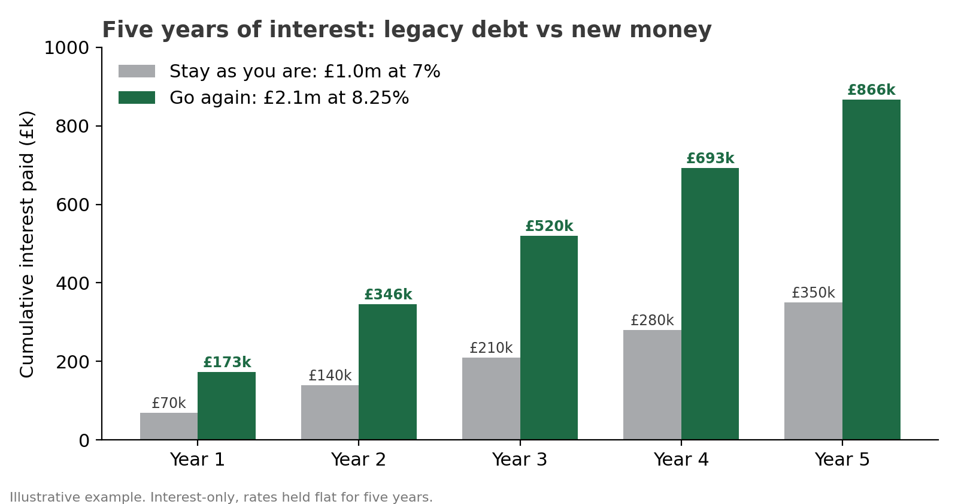
Take an illustrative example. A trading asset worth £3.0m with £1.0m of legacy debt at 7%. To refinance, the owner needs to clear the existing loan, fund £1.0m of CAPEX to bring the property up to standard, and cover fees - a new facility of around £2.1m at, say, a rate of 8.25% all-in.
The annual interest bill more than doubles, from £70k to £173k. Over five years, that’s around £866k of interest, compared with £350k if nothing changed. And the debt on the asset goes from 33% of value to 70% (over the threshold of most banks).
The Hurdle
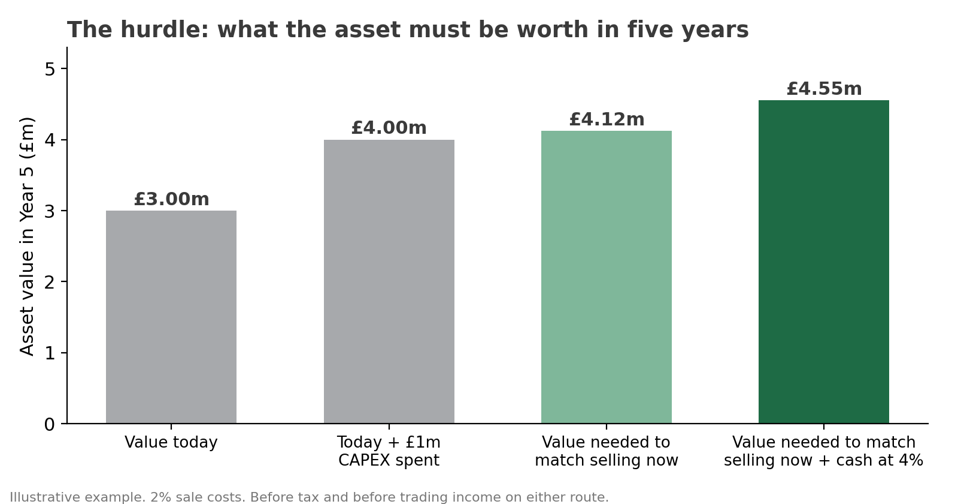
Now compare that with selling today. After costs and clearing the debt, the owner walks away with roughly £1.94m, before tax.
To come out ahead by going again, that asset needs to be worth about £4.12m in five years, just to match selling now. If the sale proceeds were simply put on deposit at 4%, the bar rises to around £4.55m. In other words, the £1m of CAPEX must deliver well over £1m of value, the trading uplift must cover the extra £103k a year of interest, and the market must be kind when it’s time to sell.
It can be done. But it’s a lot of risk to take on in your late sixties for a result you could largely bank today.
What I Ask Clients To Think About Before We Talk To Any Lender
Your plan. Not the bank’s plan - yours, and what that looks like. Where do you want to be in five years, and does this asset get you there? If the honest answer is "out", a refinance only delays the decision and adds cost to it.
Your age profile and energy levels. Be honest with yourself. Go again now and you’ll be past 70 the next time you’re at this point. Do you still have the appetite for the risk profile, volatility, bank reviews, and work required? Remember, your own energy is an asset too, and it can’t be refinanced.
Value-adds - what can you do to it? If you can point to specific things - reposition it, extend it, improve its energy performance, re-gear the leases, improve the rental income - going again can make sense. If you can’t, or that is not straightforward, you’re borrowing more to stand still and taking on huge, unnecessary risk.
Where the market is now. Today the lending market is open, there is liquidity, and buyers can get funded; but it’s not 2006, and banks are not interested in lending you money to make you wealthy. Any proposal for refinance needs to be robust.
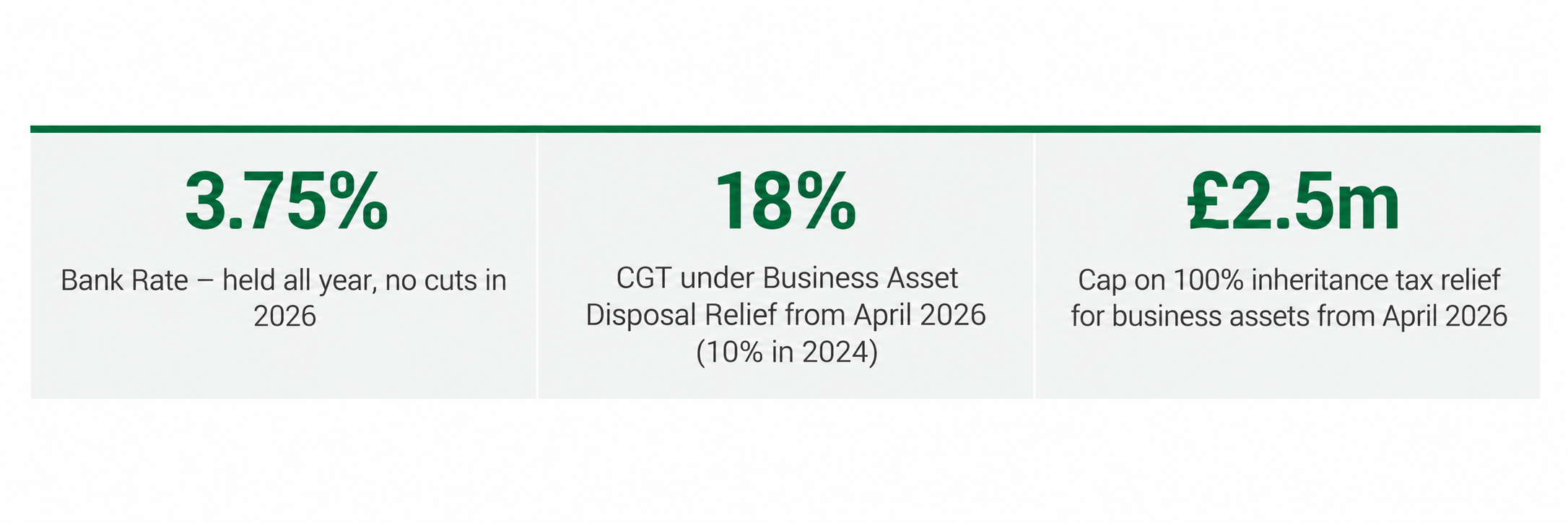
Where the cost of money and markets are going over the next five years. Nobody knows, me included; but given the current depressing state of world affairs, it’s unlikely that trajectory is downward, and most central banks are forecasting rates to increase. Bank Rate has sat at 3.75% all year with no cuts. Plan on the basis that money doesn’t get cheaper, and test the refinance at 2% higher than the rate you’re quoted. If it doesn’t work at that, it doesn’t work.
Three Practical Checks
Have you got the CAPEX? Most older assets need investment: roofs, compliance, fit-out. If the money isn’t there, it gets borrowed, and the numbers above get harder.
Who comes next? If there’s a son, daughter, or management team ready to take it on, holding can make sense. If there isn’t, you’re refinancing to postpone a sale, not to avoid one.
What if it goes wrong? A bigger loan, a personal guarantee, and a plan that slips is a very different proposition at 70 than at 50.
When Going Again Is The Right Answer
There are good reasons to refinance. The asset is performing, and the CAPEX has a clear payback. There is a successor in place. Or the sale market for that type of asset is weak, and holding for a better window is genuinely the smarter play.
Tax matters too, and it cuts both ways. Selling a qualifying trading business attracts CGT at 18% under Business Asset Disposal Relief (on up to £1m of lifetime gains), and 24% for higher-rate taxpayers above that. Holding a trading business can still benefit from inheritance tax relief, now capped at 100% on the first £2.5m. Investment property generally doesn’t qualify. Every case is different; speak to your accountant before you decide either way.
When To Exit
Most people I have met in the property game underestimate the expertise required to keep winning, performing, and making the right decisions. So many people I come across want to be property entrepreneurs, and that’s fine and admirable; however, remember it’s as tough a game as any other out there - one where you can make a lot of money and build a great career, but you can also lose the lot. The stakes are high.
My view is that the best time to sell is often when you don’t have to. Buyers pay for an asset that is trading well, with the debt under control and the owner not under pressure. They pay a lot less for one where the facility is expiring, the cost of debt is rising, and market conditions are sticky.
As I wrote last week, the banks are back, well-capitalised, and actively looking for deals. That doesn’t just help owners refinance. It means buyers can get funded too, and buyers with funding are what hold up values. A market where lenders are open is a good market to sell into.
In Summary
Looking back over those twenty-five years, I have come across only a handful of people who had that instinct for knowing when it was the best time to sell, and when to hold, for a whole ream of reasons.
Human instinct is normally driven by greed. We always want more money. But more is not a certainty when you hold on to an asset, take on more debt, and buy time while taking on more risk. Knowing when to sell really is an art. And on plenty of occasions, the best decision is to exit, move on, and let someone else take the opportunity forward.
Talk To Us Before You Sign
At GDP Partnership, we work both sides of this. We arrange the refinance when going again makes sense, and we help owners plan the exit when it doesn’t.
This year alone, I have been actively involved in over £15M of off-market deals, advising clients on exiting and refinancing. It’s important to say that every case is different.
Before you sign up to another five years, let us run both options side by side - the refinance and the sale - so the decision is made on the numbers, not on habit. If you’re facing this decision, or know someone who is, I would love to help.
-
All the best,
Conor
The figures in this article are an illustrative example, not a specific client. Nothing here is tax or financial advice; please take professional advice on your own circumstances.